
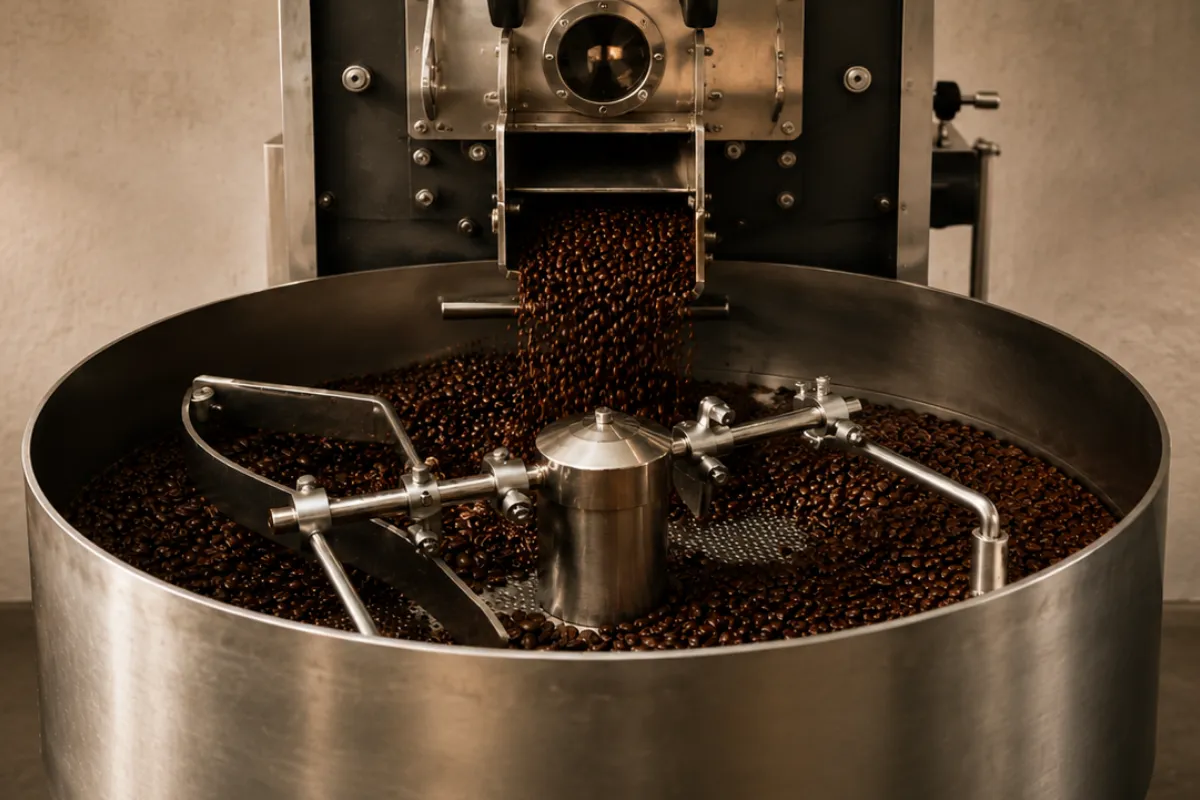
There's a Roastery Hidden Inside a Dubai Warehouse — And You're Invited In
Dubai's Most Interesting Spaces Are in the Warehouses
Al Qusais Industrial First isn't where you'd expect to spend a Saturday morning. The roads are wide, the buildings are low, and there's none of the polished gloss you associate with Dubai's more famous neighborhoods. That's exactly the point.
The same shift that turned Al Quoz into an art district and Alserkal Avenue into a cultural destination is now happening here. Roasteries, workshops, and craft producers are quietly filling industrial units across Al Qusais — and the people who find them tend to become regulars for life.
Scarab Coffee is the one that keeps getting mentioned first.
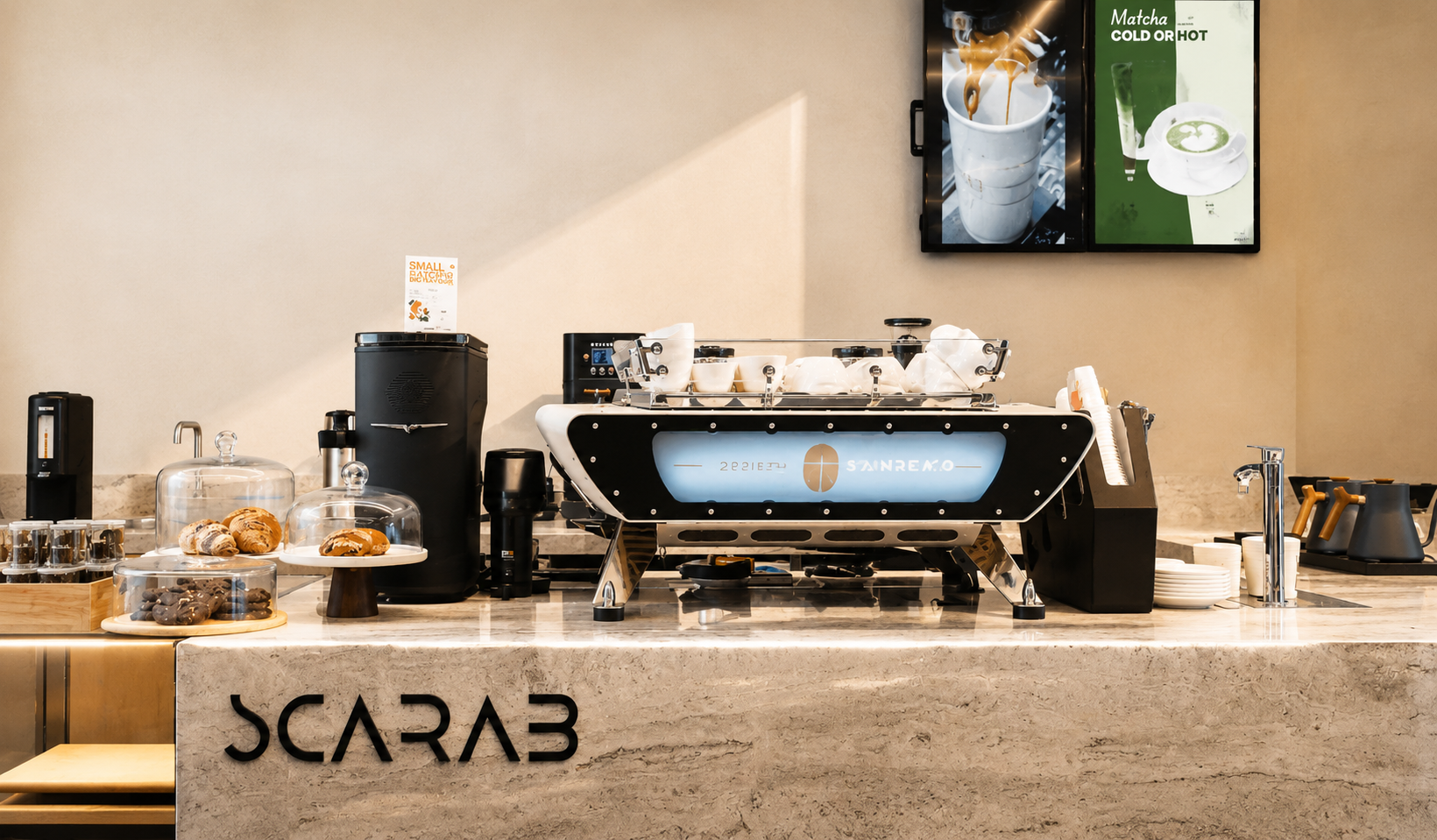
What Actually Happens When You Walk Through the Door
The first thing you notice is the smell. Not the generic coffee-shop scent of steamed milk and pastry — this is something rawer and more elemental: green beans roasting on precision equipment, sugars caramelizing at carefully controlled temperatures, a faint sweetness hanging in the air like dried fruit and warm wood.
Scarab's facility at JAMS Logistics Building on Al Doha Street operates simultaneously as a production roastery, a coffee bar, and what the team calls an innovation hub. The roasting machinery runs while you drink. You can watch the full process in real time — from raw green bean to finished batch — something you simply cannot do at a conventional café.
The team at the bar will talk to you as peers, not customers. They'll explain what they're roasting that day, why this particular Ethiopian lot needed a slightly higher peak temperature, why this Colombian was rested an extra 48 hours before it hit the bar. It's the kind of conversation that quietly changes how you think about every cup of coffee you'll ever drink.
Scarab Coffee Roastery in Al Qusais is a standout for its openness and quality. Visitors can watch the roasting process and taste freshly brewed coffee at the bar. What's harder to describe is the atmosphere — it runs more like a workshop than a café. There's quiet focus, real craft, and a complete absence of performance. What you see is exactly what it is.
What's on the Bar Right Now
Scarab's sourcing philosophy is built around flavor potential and origin traceability. Every coffee in the lineup is chosen because it has something genuinely interesting to say — a regional story, a processing method worth understanding, a flavor profile that rewards attention.
Scarab's portfolio includes premium selections such as the Colombia Queen Gesha with jasmine and tropical fruit notes, the Ethiopia Guji Uraga known for berry sweetness and honeyed depth, and the Costa Rica Musician Series offering vibrant citrus and chocolate undertones.
Each lot is selected based on both flavor potential and market alignment. Nothing on the bar is an accident.
Why a Scarab? Why a Warehouse?
The name is not a coincidence. The story of the Scarab is deeply rooted in the concept of transformation, rebirth, and connection, inspired by the timeless symbolism of the scarab beetle in ancient Egyptian culture — just as the scarab represented the cycle of renewal and the sun's journey across the sky, Scarab embodies a mission to bring a fresh perspective to the coffee industry.
That philosophy shapes every decision the brand makes — including the choice to build inside a warehouse rather than behind a shopfront.
The work matters more than the setting. The roasting process, the sourcing relationships, the quality controls — these are what determine what ends up in your cup. The space is just honest about what it is.
As Dana Ibrahim, Co-Founder and Marketing Director, puts it:
The warehouse, in that sense, isn't a limitation. It's a statement.
Why This Matters in Dubai Right Now
The UAE's coffee market has surpassed AED 12 billion in value, with 93% of consumption occurring outside the home. This city runs on café culture in a way few places in the world do — and yet the most interesting coffee is still being made in the places that don't advertise.
Dubai has followed the global third-wave trajectory: first, specialty cafés clustered around design districts; then, roasteries opening in industrial zones where space allows for the full infrastructure of craft production. The UAE imported over 80,000 tonnes of green coffee in 2025, a figure that has grown consistently at 8–10% annually, with much of that volume roasted locally and re-exported across the GCC.
Scarab sits at the center of that supply chain — and opens its doors to anyone curious enough to show up.
For coffee lovers, it's a rare thing: a working production facility that treats walk-in visitors as welcome guests rather than a distraction from the real work.
Come for the Coffee. Stay for Everything Else.
There's a particular pleasure in discovering a place before it becomes famous. Scarab Coffee is at that inflection point — recently moved into a larger space, expanding its capabilities, but still intimate enough that by the time you finish your first cup, you'll feel like you've been let in on something.
The coffee is excellent. The process is visible. The people want you to understand what you're drinking and why it tastes the way it does. In a city of a thousand places to get a flat white, that kind of transparency is rare enough to be worth a detour.
Come once and you'll understand. Come twice and you'll bring someone with you.
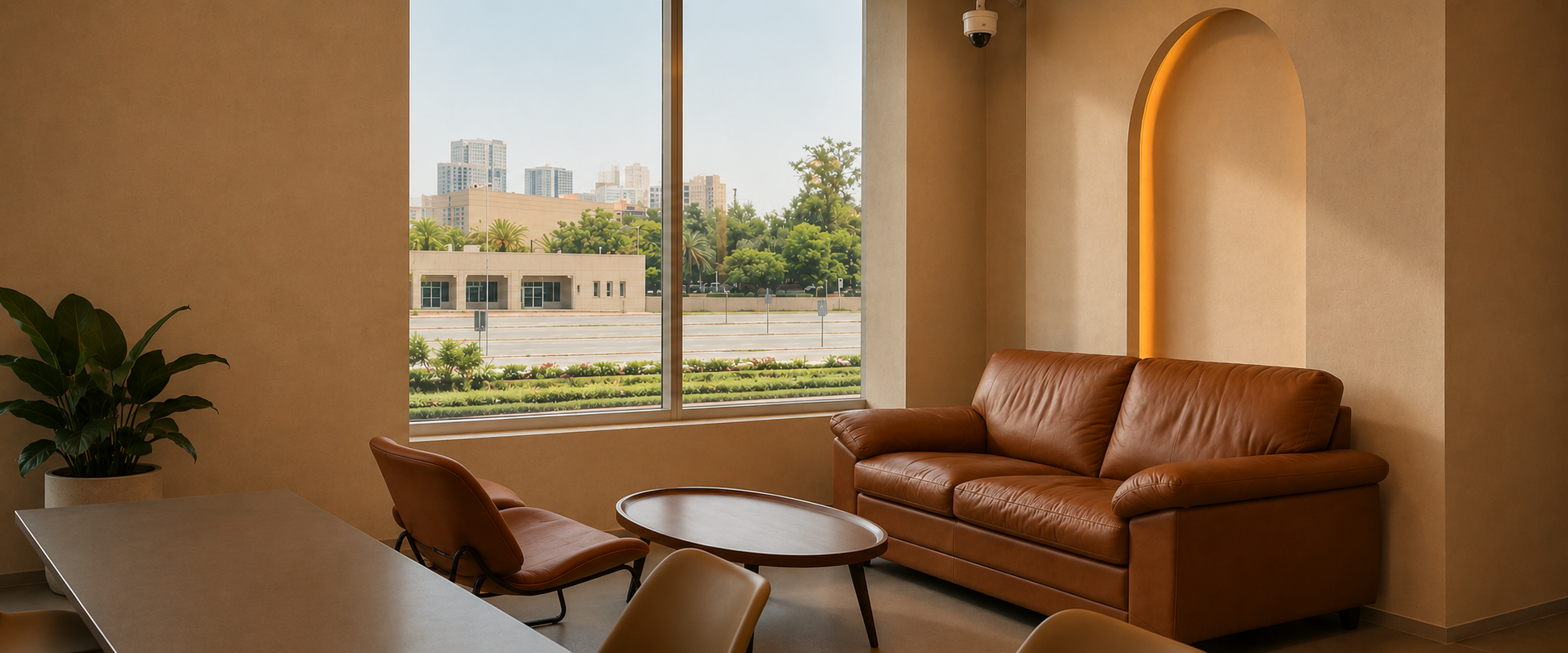
Plan Your Visit
Address: Warehouse 20, JAMS Logistics Building, Al Doha Street, Al Qusais Industrial First, Dubai, UAE Phone: +971 50 326 5632 Email: [email protected] Website: scarabme.com Getting there: Al Qusais Metro Station is a short taxi ride or 10-minute walk. Free parking on-site.
Search "Scarab Coffee Al Qusais" on Google Maps to get directions directly to the warehouse.